


Surging ingredient costs and hesitant consumers are creating a severe margin squeeze. And while it’s tempting to cut prices, that is incredibly dangerous. The average quick-service franchise operates on a tight 10% to 15% EBITDA margin.
Deep discount promotions meant to drive traffic can actually reduce item-level profitability by an unsustainable 30% to 50%.
You cannot discount your way into growth
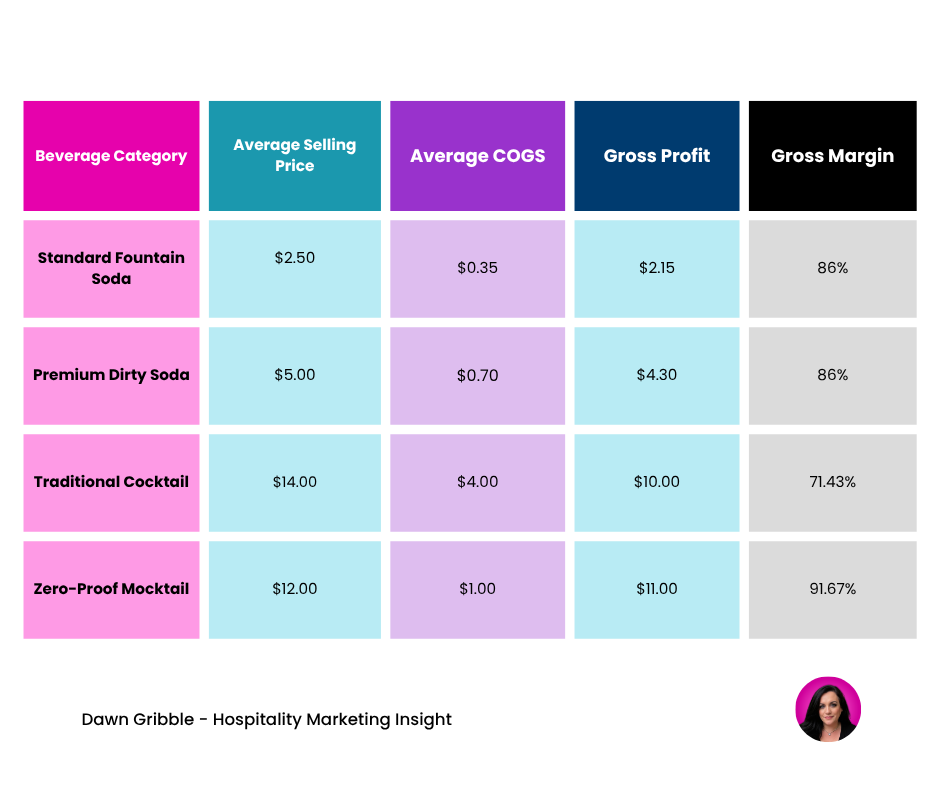
Premium beverage menu engineering is the single fastest route to boosting gross profit. Non-alcoholic beverages routinely achieve gross profit margins of 65% to 75%. Zero-proof mocktails often exceed 80%, frequently outperforming traditional alcoholic cocktails by eliminating expensive base spirits and excise taxes.
📄 On the Menu
The Beverage Profit Gap
The Behavioural Drivers Behind Beverage Spend
Your Beverage Margin Questions Answered
Let’s Check In ☕
📌 Save this guide to audit your beverage margins before your next floor shift.

💸 The Beverage Profit Gap
An overwhelming 87% of full-service operators agree that beverages are a critical driver of restaurant traffic.
Despite the cost-of-living crisis, modern consumers view premium beverages as an affordable indulgence. They will happily absorb steep markups for unique flavour experiences they cannot replicate at home.
The smartest operators use this to protect value perception, raising prices on speciality beverages to subsidise and protect their entry-level meals. Research indicates that venues generating approximately $2 million annually have recorded average revenue boosts of $95,000 simply by expanding their zero-proof menus.
Crucially, functional drinks, mocktails, and refreshers use existing fountain equipment, allowing you to scale beverage innovation rapidly without inflating your fixed overhead.
The ‘Dirty Soda’ phenomenon is a $70 million trend driving massive margins. The unit economics are exceptionally favourable because the incremental cost of upgrading a standard fountain soda into a crafted dirty soda is trivial.
Enjoying this insight? Subscribe to Hospitality Marketing Insight to unlock our complete archive of operational frameworks and revenue audit templates
🧠 The Behavioural Drivers Behind Beverage Spend
Standalone beverage purchases are a massive growth engine. Currently, 37% of consumers make a beverage-only purchase at least weekly. This figure climbs to 50% for Gen Z and 47% for Millennials. Crucially, Generation Z consumes 20% less alcohol than Millennials, treating non-alcoholic beverages as their primary choice.
That demographic reality directly alters your floor schedule. Trading data shows the 5 pm to 7 pm slot now generates more revenue than the traditional 7 pm to 10 pm late-night window. The smartest cocktail bars and craft venues have already adapted their operations to capture this earlier, high-energy crowd.
Consumers actively seek visual novelty and will happily pay for it. Operators capitalise on this by introducing highly textured toppers to standard orders. Think of Dunkin’s Barbie Pink Strawberry Cold Foam or Black Sheep Coffee’s “Matcha Cloud”, which add a premium upcharge to any standard drink.
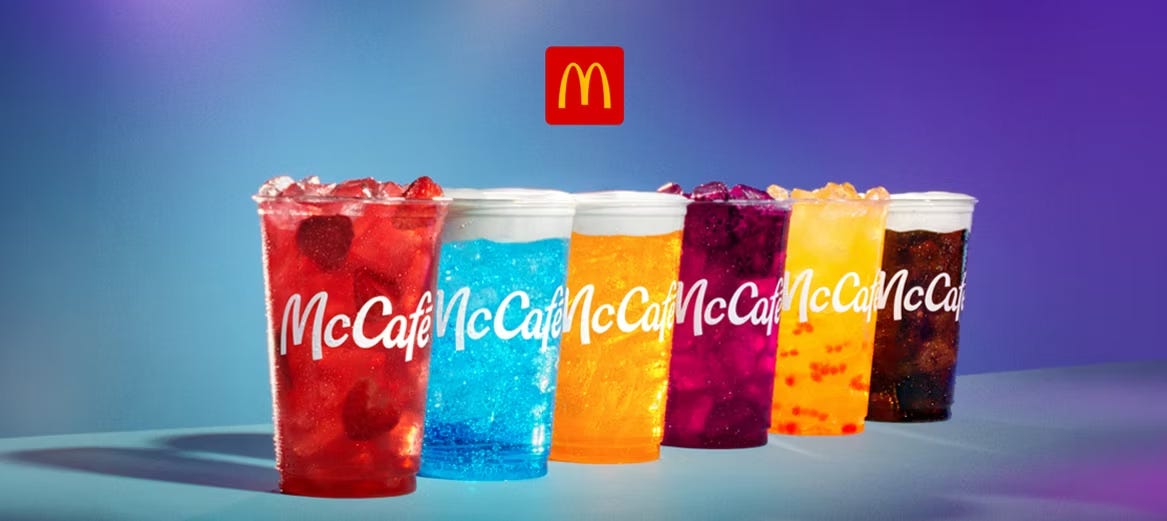
Major brands engineer entire menus around visual appeal. The McDonald’s Crafted Beverage lineup incorporates premium elements like popping boba and cold foams to capture speciality beverage spend directly.
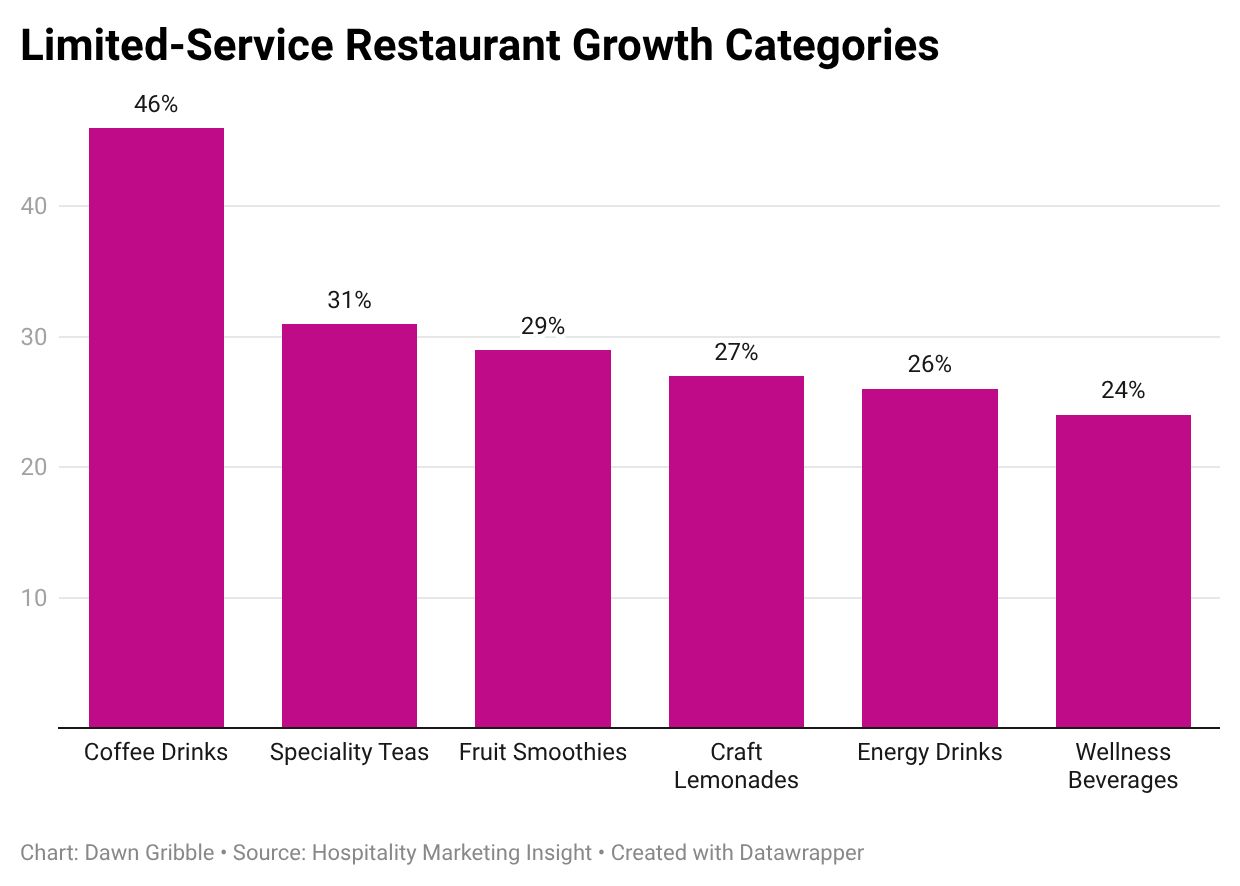
Stress-relief drinks are fast becoming a highly lucrative category. Right now, 77% of the population report stress levels severe enough to impact their physical health. According to the National Restaurant Association’s 2026 report, 24% of limited-service operators are focusing on wellness beverages as a key growth category, while 26% are prioritising energy drinks to refresh their menus.
As health goals and GLP-1 medication usage evolve, the demand for highly curated, functional menus is exploding. Highlighting these functional benefits alongside visual statement drinks allows venues to drive footfall through social media reach while capturing maximum gross profit per seat.
This ties directly into the zero-proof market. Currently, 71% of drinkers have tried low-alcohol or alcohol-free alternatives. Roughly 85% of low-and-no drinkers entered the category through ‘shared branding‘ because they value the proper glassware and social inclusion of a drink that realistically mimics standard alcohol.
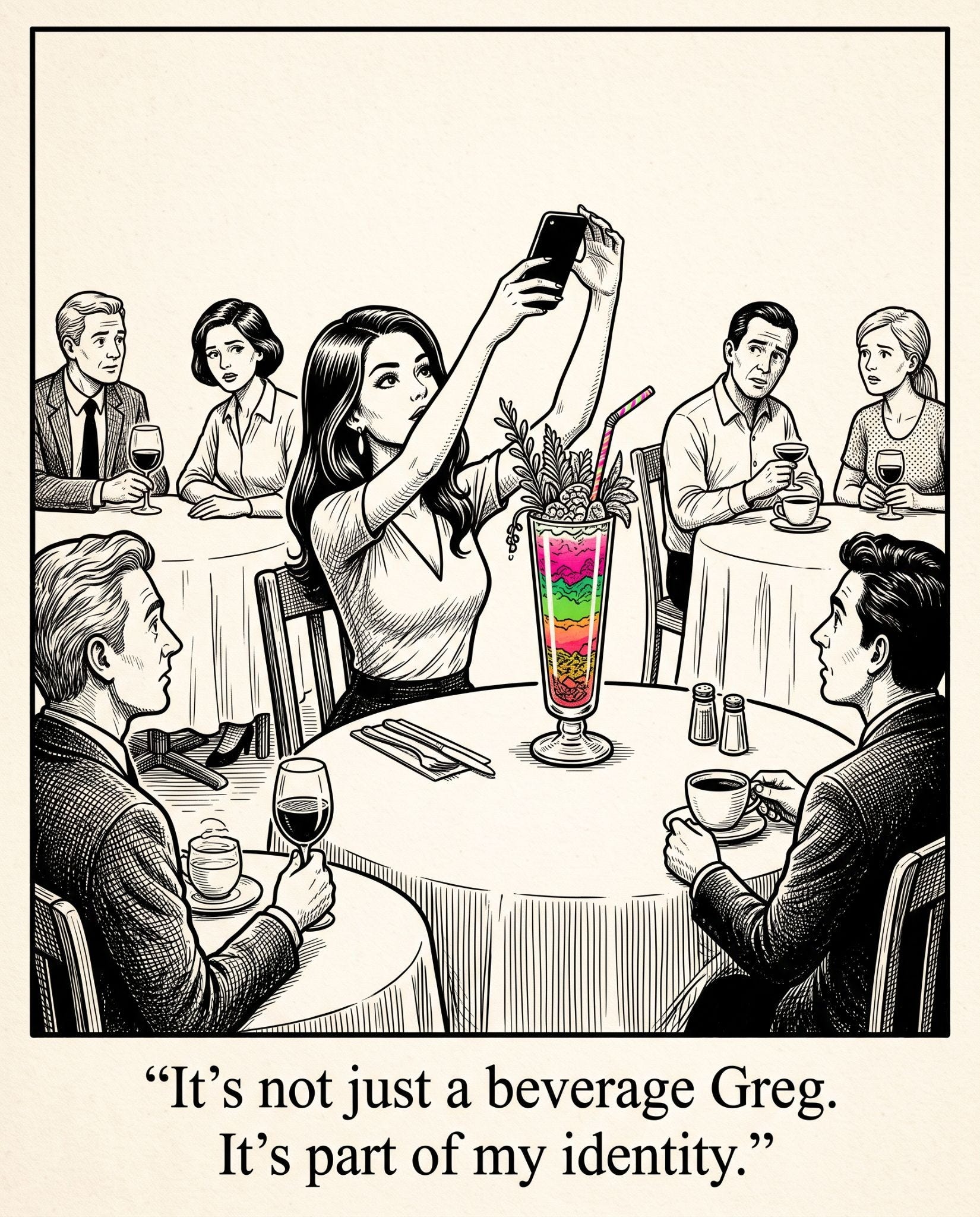
Beverages are increasingly being viewed as highly visible signal of personal identity. Driven by a demographic segment identified as The Identity Shifters, comprising roughly 16% of the market, consumers demand sophisticated zero-proof options as a primary lifestyle preference rather than a reluctant compromise. Consequently, 40% of restaurants plan to expand their non-alcoholic offerings to target this demographic’s willingness to pay premium prices.

❓ Your Beverage Margin Questions Answered
What are the most popular drinks right now?
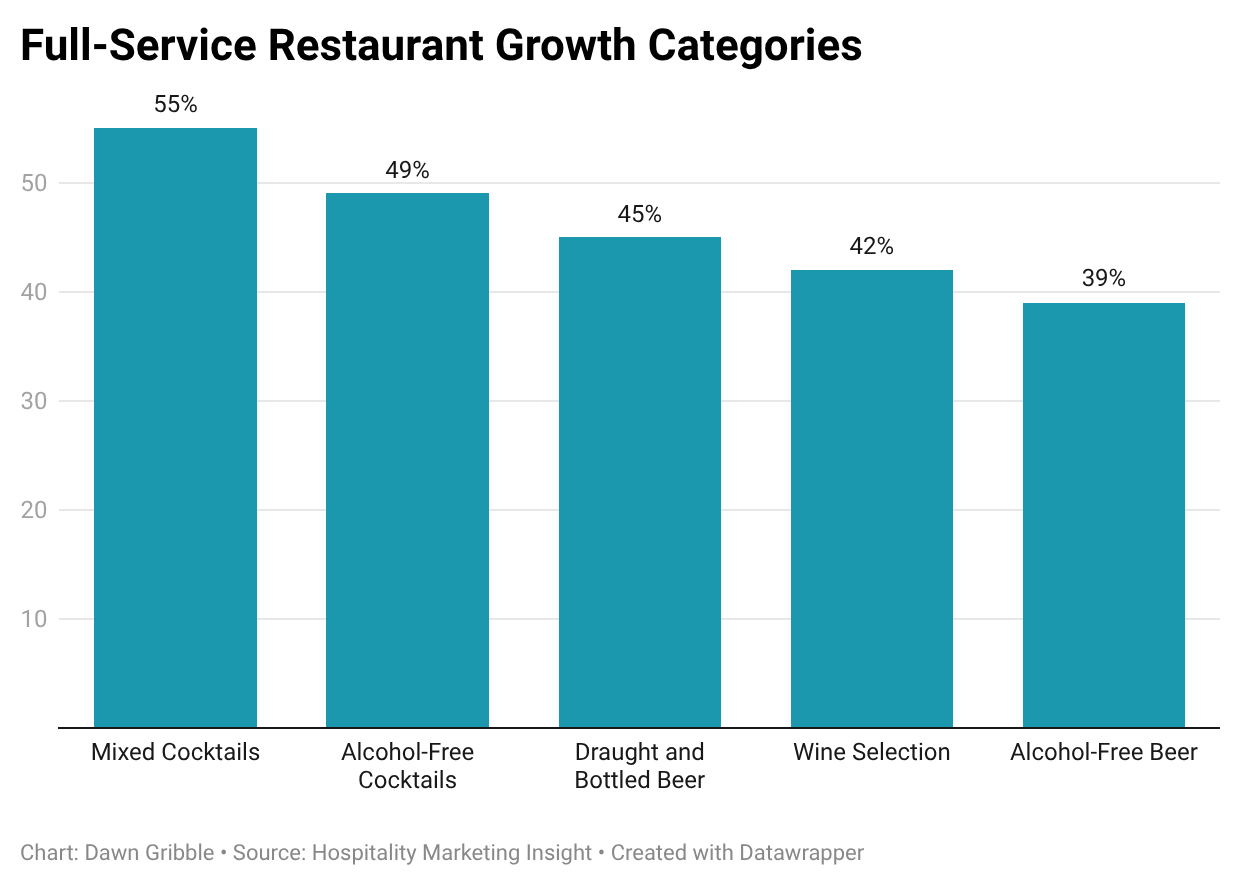
Limited-service and full-service hospitality venues are prioritising distinct beverage categories to maximise gross profit margins. Recent operator data identifies key growth areas based on active menu expansion strategies.
What are the best menu placements for non-alcoholic drinks to drive upsells?
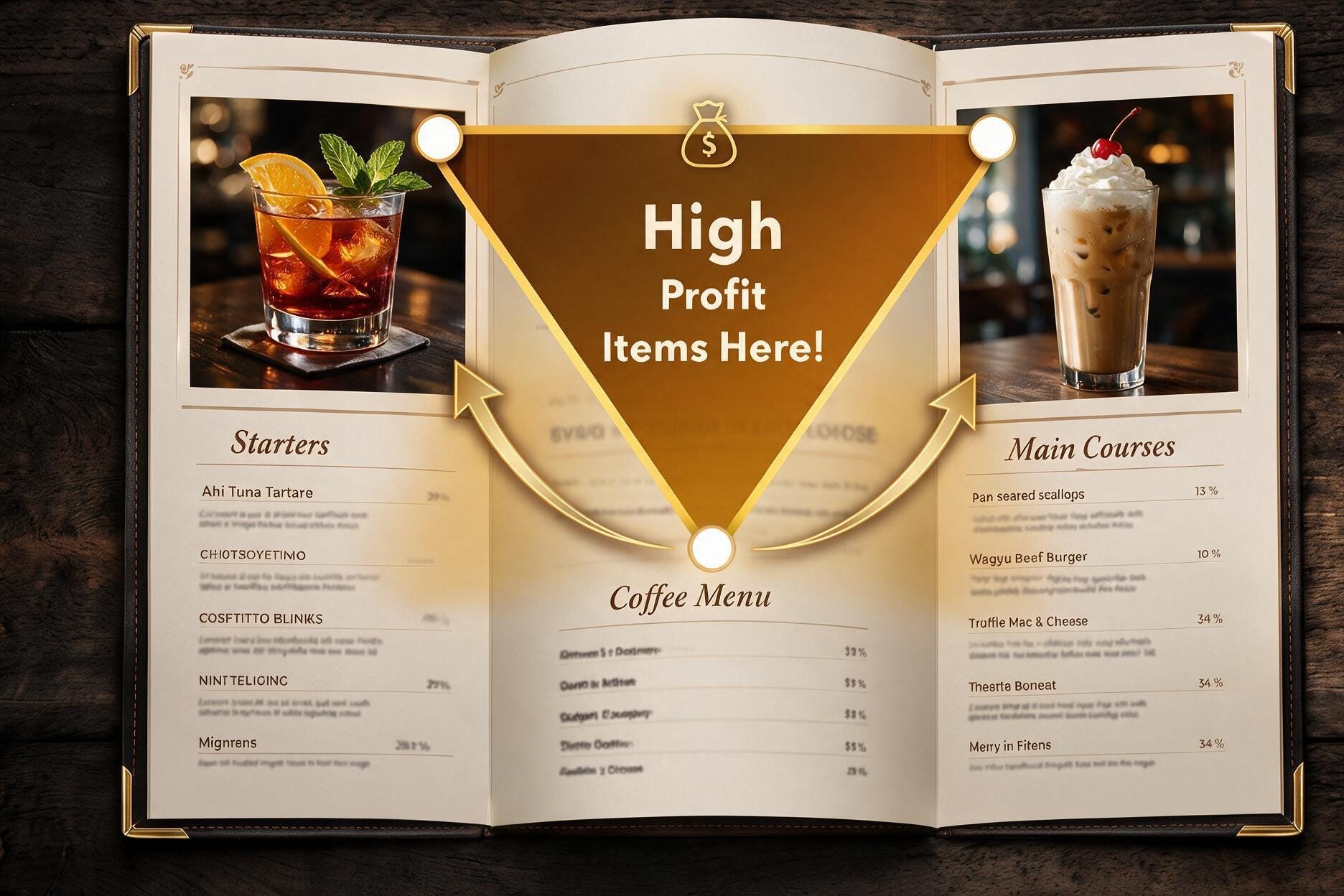
Place them in the Golden Triangle. This covers the centre, top-right, and top-left areas of your physical menu.
The centre acts as the anchor for your highest-margin signature drink.
The top-right serves as the premium zone.
The top-left provides the foundation for reliable, high-margin standards.
Location is only half the battle. Visual and psychological cues are required to secure the order:
Create Eye Magnets: Frame your most profitable drinks using negative white space, subtle bounding boxes, or custom icons. Use these sparingly. If you highlight everything, nothing stands out.
Use Decoy Pricing: Place an aggressively priced, ultra-premium beverage immediately next to the high-margin drink you actually want to sell. The target drink will instantly appear to be a better value by comparison.
Remove Currency Symbols: Drop the currency signs and avoid trailing zeros e.g., write 12 instead of £12.00. This subtly softens price sensitivity and encourages higher spending.
Use a Dedicated Section: Do not bury profitable speciality drinks at the bottom of the food menu. Give them a dedicated Signature Drinks section or a standalone table card.
Engineering the margin on the floor is only half the battle. Selling it on the timeline is what actually fills the till.
Later this week, I am sending paid subscribers the exact blueprint for marketing these high-margin beverages on social media. We will break down the latest viral trends, category pillars, and the precise hashtags to deploy. You will get the framework for naming your product, developing the story, and writing high-converting descriptions using proven examples. Plus, we’ll cover how to execute this ethically and strictly within advertising laws, alongside the visual insights needed to stop the scroll.
Here’s to your success! 🥂
Dawn Gribble MIH MCIM
Hospitality Marketing Insight

I’m an award-winning marketing expert with 25+ years of international experience helping brands like Wagamama, Sysco, Ramada, and The Institute of Hospitality get clarity and creative insight on their marketing performance.
📊 Need an expert marketing audit? Get in touch at DG Consulting.
🚀 Grow your brand: Download courses, workshops, and campaign plans at the Hospitality Marketing Hub
📚 Sources & Resources
Coley, B., McDonald’s to Launch New Crafted Beverage Lineup Nationwide on May 6, QSR Magazine (2026)
Eastlake, D., Stress-relief drinks fuel next functional beverage boom, FoodNavigator.Com (2026)
GetNews, Rising Soft Commodity Costs Put New Pressure on Restaurant Stocks and Profit Margins, Barchart.Com (2026)
Group, P., Alcohol alternatives guidance (2026)
Hospitality and Leisure: 2026 Outlook | Barclays Corporate (2026)
Hospitality and the Night Time Economy: The state of play in 2026, NIQ (2026)
Jun. 08, P. C. on & 2026., The latest buzz around beverages, Restaurant Business (2026)
US Restaurant Beverage Trends: Drinks drive footfall and growth as Gen Z and millennials seek new flavours, BeverageDaily.Com (2026)