


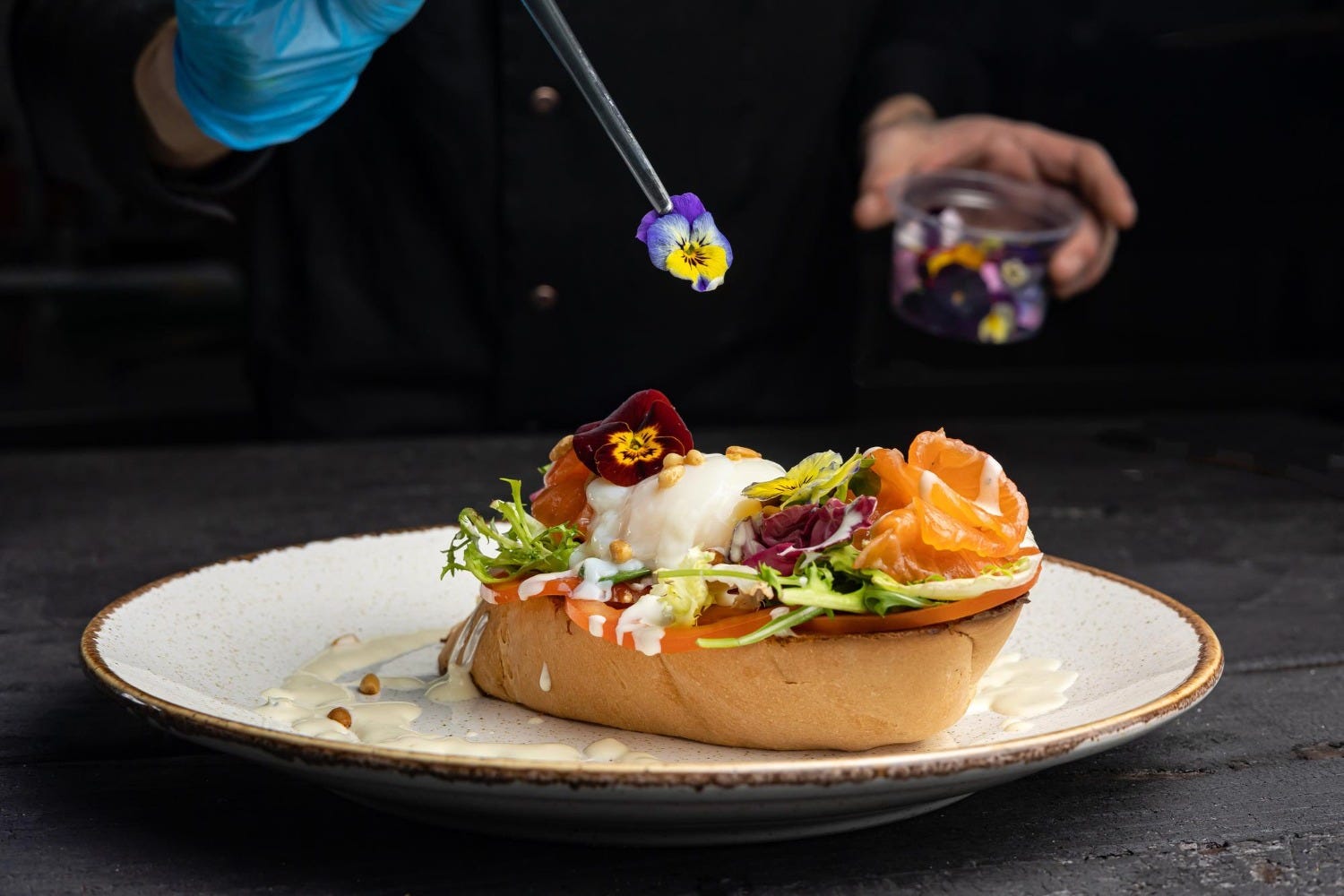
Culinary travel is forecasted to reach upwards of $4.25 trillion by 2034. Fresh benchmark data from the World Food Travel Association’s July 2026 Food Travel Monitor reveals travellers now rank food and beverage at an average of 8.2 out of 10 in importance when picking a destination—with 66% stating food matters more to their travel choices today than five years ago. Food and drink now sit firmly on the same foundational level as pricing and location.
On average, tourists are now allocating 25% of their total travel budget specifically to food and beverages.
Many travellers now find more cultural value in a local grocery aisle than in a generic hotel breakfast buffet. If your food offering feels like it could be anywhere in the world, you lose the destination spend to local shops.
One of the most profound changes in 2026 is the mainstreaming of Halal tourism, now part of a $7.7 trillion global Islamic economy. With 70% of this population under age 40, they aren’t just looking for food; they are looking for inclusivity—from prayer facilities to alcohol-free environments.
According to data from Hilton’s 2025 Trend Report, 64% of travellers now explicitly prefer unique local experiences over traditional fine dining. Furthermore, 66% of travellers report being most excited by street food.
When guests view your venue as disconnected from the local culture, they treat your hotel as a bed, not a destination. You lose the ancillary spend. You lose the opportunity to capture that 25% of their travel budget dedicated to food and drink.
📄 On the Menu
Culinary Tourism Opportunities
Culinary Tourist Key Personas
Hyperlocalism and Sustainable Marketing
Let’s Check In ☕
Last Updated 31.07.2026
Join thousands of hospitality leaders getting the exact strategies to drive bookings, demand, and revenue every week.
Here’s a template to expense a subscription

An American Express survey found that 81% of travellers look forward to food experiences when abroad, with the highest interest in:
Discovering the local restaurant scene 54%
Food festivals 46%
Local food tours 41%
Wine tastings 39%
Dining with live entertainment 38%
Brewery tours 34%
Chef tasting menus 31%
Cooking classes 22%
Operators are already building food into every package and promotion. If you want your venue to compete, you need to do the same.
🍴 Culinary Tourism Opportunities
Before you can design campaigns or packages, you need to know what travellers are already asking for. The table below provides a simple framework for researching real demand into the latest culinary travel trends.
Remember - Guesswork wastes budget.
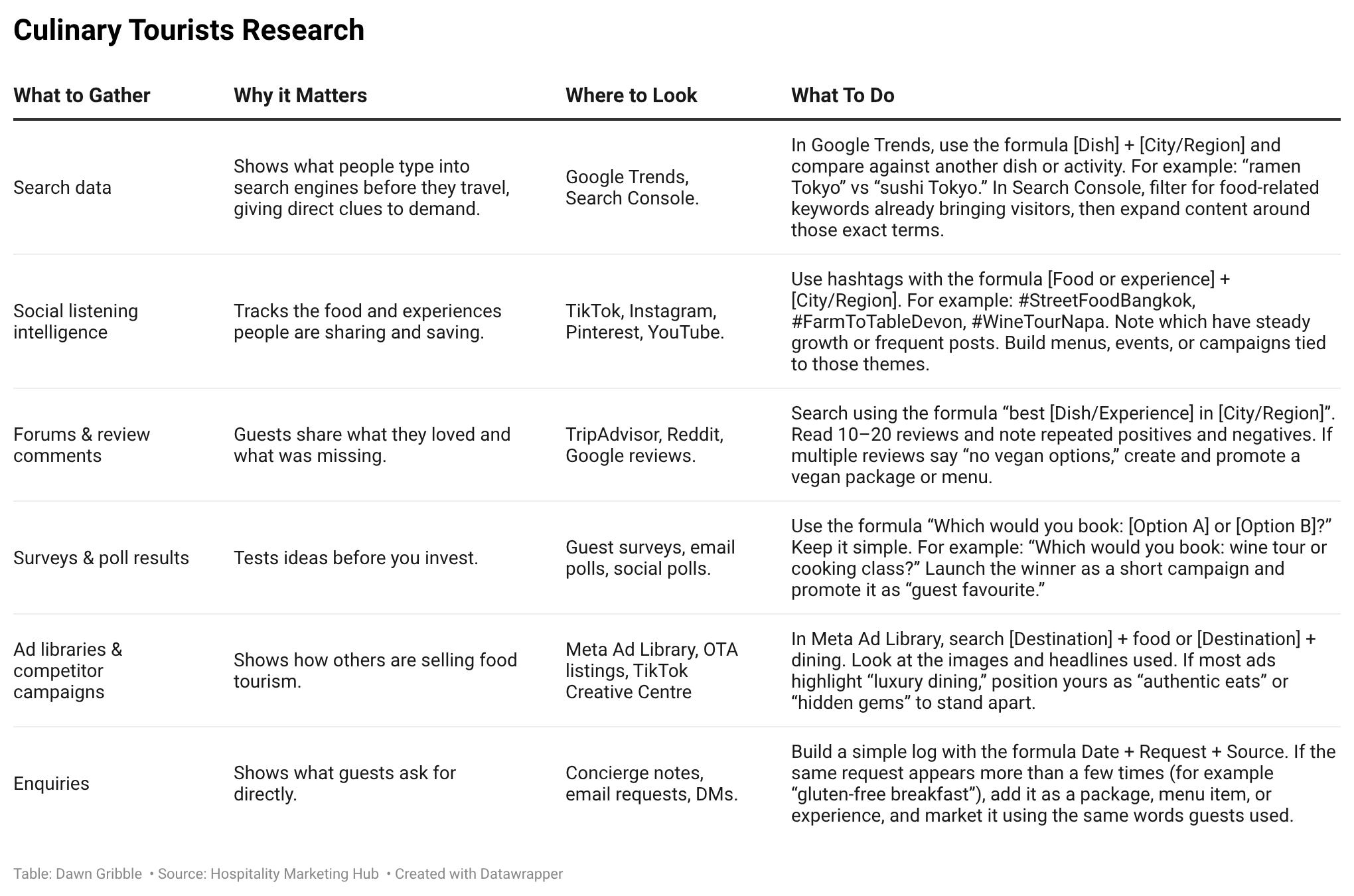
Once you have gathered your external data, the goal is to find the gap between what the town currently offers and what the data says travellers actually want.
📊 Spotting the Market Patterns
In a hotel, the research might show that guests are searching for your town and looking for specific experiences like a seashore foraging walk or a vineyard tour. If people are searching for these terms but your town only offers standard rooms and a basic bar, they will take their money to the next town. You are losing the booking because you have not packaged the local landscape into a stay.
For a restaurant, the pattern is usually visible in the search trends. If the diner is looking for local crab or heritage oysters and seeing high engagement on those posts, but every restaurant in town is serving frozen cod and chips, they will skip the high street and go to a coastal shack instead. There is a clear commercial gap to be the first venue that puts those specific, trending local ingredients on a premium menu.

Why Market Leaders are Upgrading
With culinary travel forecasted to reach $4.25 trillion, your prestige now rests on the plate rather than the pillow. Join the elite cohort of hospitality professionals who use our monthly strategic updates to justify premium pricing and secure high-margin bookings—without the agency fee. It is the only way to ensure your brand remains a destination of choice in 2026.
🍕 Culinary Tourists Key Personas
As you conduct your research, you’ll start to notice patterns of behaviour in different groups, each driven by different motivations and desires.
🍃 Escapists
Escapists are travellers who use food as a pathway to reset and restore. Their focus is on wellbeing, comfort, and experiences that feel mindful rather than rushed. They gravitate towards destinations offering wellness retreats, farm-to-table dining, and menus that highlight balance and authenticity.
Escapists are prepared to spend on quality, but their decisions are guided less by status and more by emotional return. Their discovery often begins with long-form inspiration on platforms like Pinterest or through blogs and editorial features, where they can linger over stories and imagery that connect food with relaxation and renewal.
🌟 Prestige Seekers
Prestige Seekers view food as a marker of status and exclusivity. Their itineraries are built around high-spend experiences, from Michelin-starred tasting menus to luxury chef’s tables and rare ingredients. A location’s reputation influences destination choice in fine dining, wine, or high-end gastronomy.
Among luxury travellers, 60% specifically seek hotels known for top-tier dining – the hotel restaurant has become as important as the room.
This group spends at the top end of the spectrum and expects exclusivity and access that others cannot buy. They are heavily influenced by visually aspirational content on Instagram and by curated features in luxury media, often using these platforms to signal their experiences as much as to plan them.
🧭 Explorers
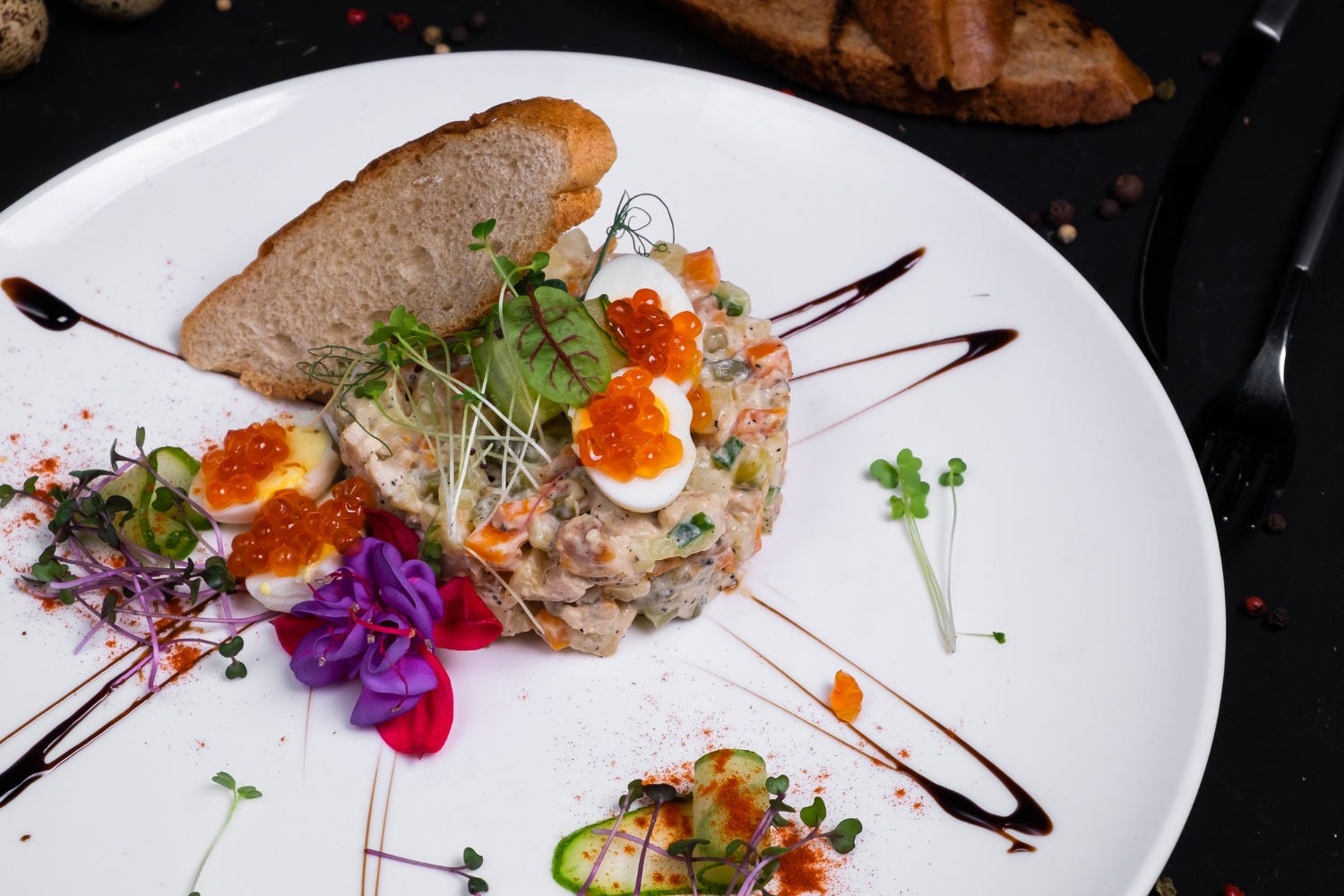
Explorers are motivated by novelty, risk, and discovery. For them, food is an adventure, and the more unusual, narrative-rich, or off-the-grid the experience, the better. They chase street food, underground dining, and pop-up concepts, choosing destinations that promise originality rather than predictability.
Explorers are mid- to high-spending, but their budgets follow excitement rather than luxury labels. TikTok and other short-form video platforms play a central role in their planning, as the immediacy of video allows them to gauge authenticity, atmosphere, and the story behind each meal before committing.
🤳 Connectors
Connectors see food as a bridge to memory, culture, and community. They are motivated by nostalgia, heritage, and the pull of diaspora ties, seeking out experiences that remind them of home or that deepen their understanding of cultural identity.
Connectors favour heritage restaurants, local festivals, and menus that celebrate comfort and tradition. Their spending profile is steady and reliable, often family-oriented, and they tend to become repeat guests when they find a place that resonates. Their discovery is shaped by trusted channels such as email loyalty campaigns, cultural newsletters, and community-based storytelling, where the message feels personal and grounded.
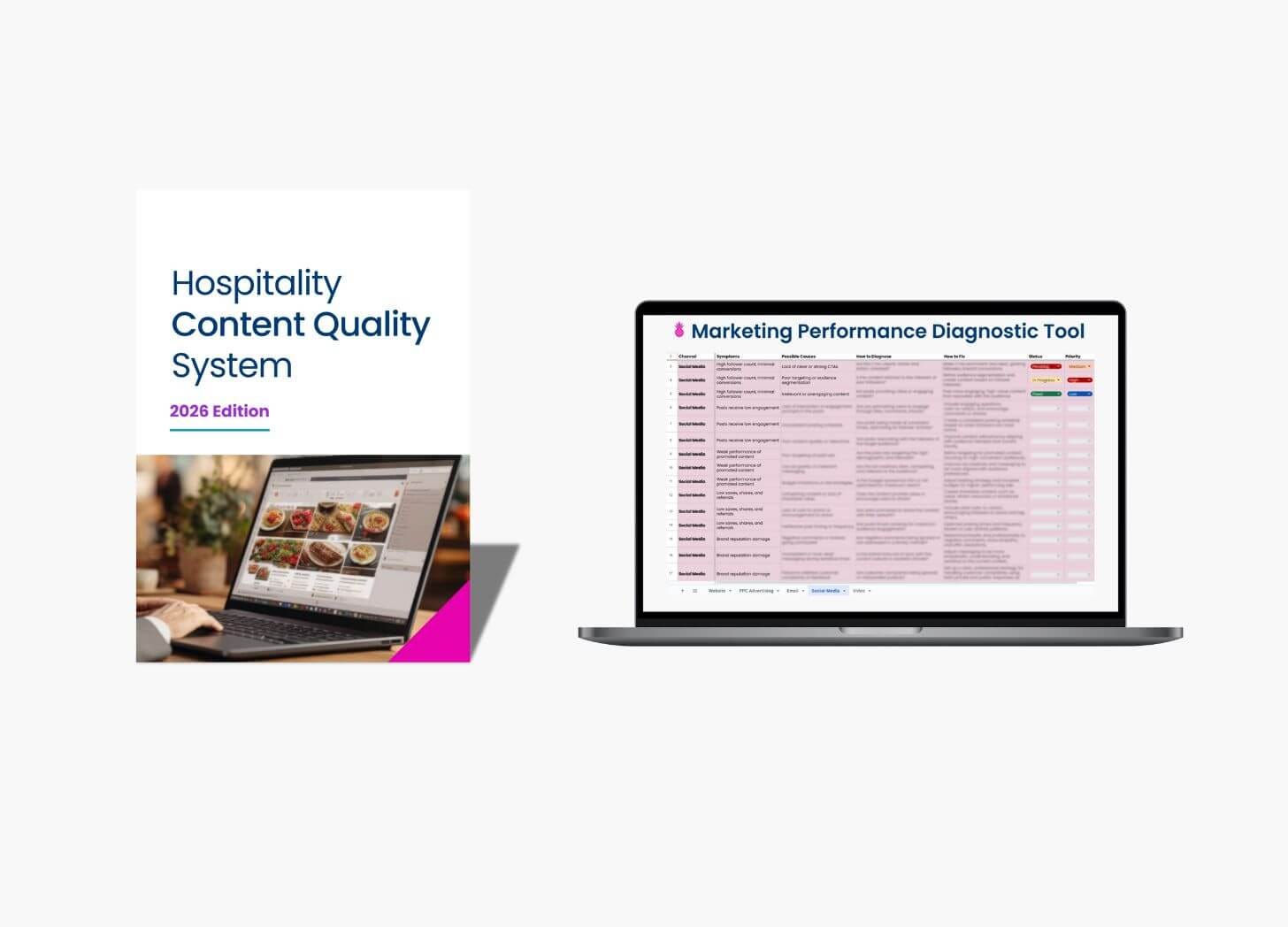
Turn Your Marketing Symptoms into Solved Problems
Hospitality marketing usually fails through a thousand small cuts. Whethere its inconsistent messaging, inaccurate social profiles, or dead-end website journeys.
Use our Expert Diagnostic Tool to uncover the “why” behind low bookings and the Quality System to ensure every piece of content converts. It is the most practical £45 you will spend this financial year.
📍 Hyper-Localism & Sustainability
One of the main trends seen across all segments is that travellers increasingly expect menus to showcase hyperlocal ingredients and region-specific recipes that offer an authentic taste of place.
Restaurants and food tours worldwide are embracing farm-to-table and even ocean-to-plate sourcing, with chefs redefining local cuisine by foraging and sourcing directly from their surroundings.
78% of travellers say they crave fresh, unique flavours over the familiar, and 61% want to learn about the origins of a destination’s iconic dishes as part of their trip
Hotels are responding by growing herbs and vegetables on-site, while tour itineraries include visits to local markets, farm stays, and experiences led by producers.
Reduced food miles, visible community contributions, and transparent sourcing signal that sustainability is not just a marketing claim, but part of the brand itself.
When delivered well, hyperlocal sourcing becomes a powerful differentiator.
✅ What To Do
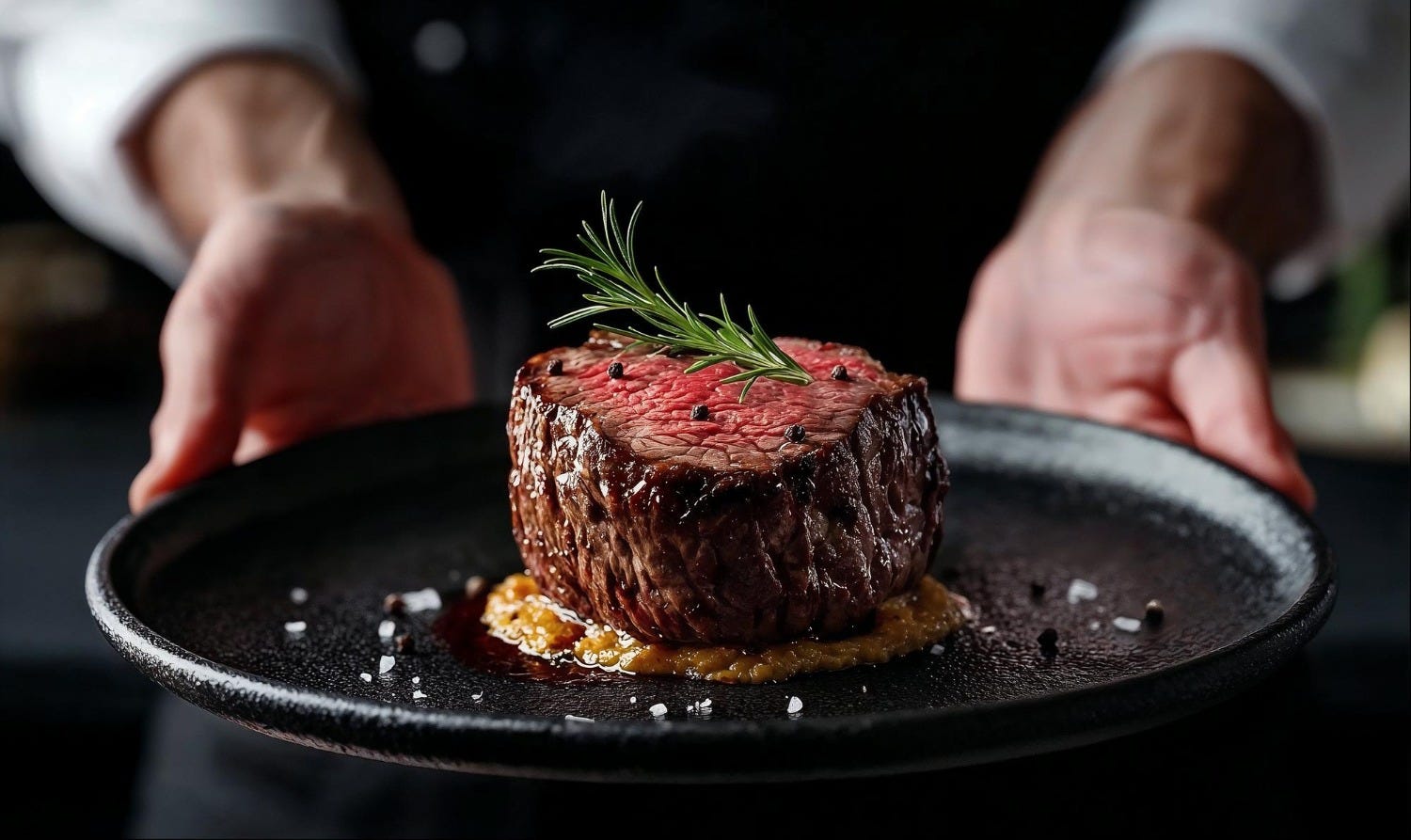
Make provenance visible - Don’t just list local on the menu. Name the farm, the producer, the day’s catch. Then extend it into short-form video, supplier spotlights, and chef-led storytelling. Guests will use this content as their own proof point when choosing you over a competitor.
Turn seasonality into campaigns. - Build limited-time menus or experiences around what’s in season this month. Position it as get it now or miss it to drive bookings in soft periods. Harvest calendars and tide tables become marketing assets when used correctly.
Sell sustainability as identity, not apology. - Too many venues treat eco-efforts as an afterthought. Integrate hyperlocal sourcing into loyalty programmes, email subject lines, and PR hooks so it becomes part of why people book with you. It’s not just ethical, it’s a commercial positioning.

On Thursday, we reveal exactly how the modern Culinary Tourist decides where to eat — along with a step-by-step Action Plan to convert them.
The move in how people travel for food is a significant commercial opportunity for those who act first. By looking at search trends and social data now, you can position your venue as the primary destination for 2026 while others are still trying to figure out why their generic menus are failing.
Identifying these market patterns is the first step toward securing a new revenue stream. It ensures you are not just a place to sleep or a convenient meal, but the very reason the guest chooses your town over the next one.
That’s it for this edition. I hope you’ve enjoyed the newsletter. I look forward to serving you again soon.
All the best
Dawn Gribble MIH MCIM
Hospitality Marketing Insight
Here’s to Your Success 🥂


The pace of modern marketing makes it difficult to see what is actually working. Campaigns run, but the link between activity and revenue is often unclear. My bespoke marketing audits provide a data-led approach to fix this. I identify exactly where performance breaks down and what needs to change.
These bespoke audits deliver clear commercial direction:
Pinpoint weaknesses in your digital strategy to upgrade marketing performance.
Identify reputation risks to strengthen trust and increase conversion.
Map your customer journey to improve retention, spend, and loyalty.
Secure your audit before you allocate your next quarter's marketing budget.
📚 Sources & Resources
2024 Trends Report: What Millennials, Gen Z, Gen X and Baby Boomers Tell Us About Travel in the Year Ahead, Stories From Hilton, 2025.
Adam, Travels of Adam Hipster Blog, 2025. Where Foodies Should Travel in 2025: A New Study Says New Zealand Surprise!.
Culinary Tourism Market 2025 – Industry Overview, The Business Research Company, 2025.
Culinary Tourism Market Size, Statistics & Forecast, IMARC Group, 2025.
Food-Focused Journeys: Culinary Travel Trends for 2025, The World’s Greatest Vacations, 2025.
Niche to mainstream: Evolution of Halal tourism in global travel industry, Al Jazeera (2025)
Travel Trends: Luxury Culinary Tourism, Bedsonline, 2025.
WiT, WiT, 2025. Did you know 50% of travellers book restaurants before their flight? Surprising trends shaping 2025 travel
Enjoyed this article? Buy Me a Coffee ☕