



This month’s update covers the critical shift toward a human premium in hospitality marketing. As Google integrates Gemini AI into Maps, the way guests discover your venue has changed from simple keyword searches to complex, natural language queries. We also look at the Meta ad performance collapse seen in April 2026 and why Uber’s move into hotel bookings creates a new, high-stakes distribution challenge for your margins.
To cut through the noise of AI slop and banner blindness, we break down why lo-fi, episodic content, and radical transparency are now your most effective conversion tools. From the nostalgic pull of Picniccore to the revenue potential of 14-day micro-seasons, this issue provides the strategic roadmap to maintaining trust and authority in an increasingly sceptical market.
📄 On the Menu
Platform Updates
Emerging Trends
Food & Beverage Trends
Mood Board - Picniccore
Marketing Mistakes to Avoid - AI Slop
Social Media Trends
AI Prompt of the Month
What To Do & What Not To Do
July Content Calendar
Let’s Check In ☕

📢 Platform Updates
🗺️ Google Maps Upgrade
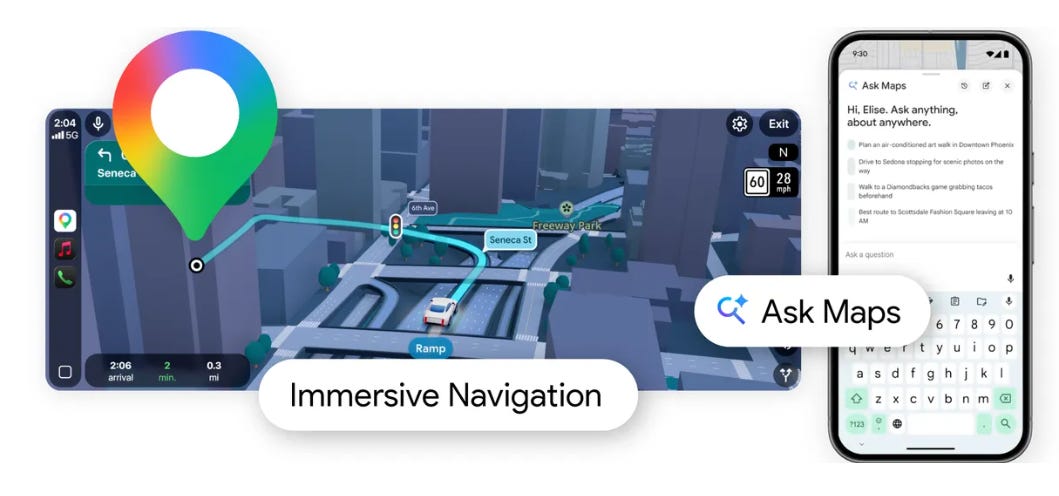
Google has deployed its most significant overhaul of Maps in a decade. For hospitality operators, these changes move beyond simple navigation. They fundamentally change how your venue is discovered and judged by the machines that sit between you and your guests.
Google has integrated its Gemini AI directly into Maps through a feature called Ask Maps. Guests no longer need to search for a specific category, like restaurant. They can now ask complex questions in natural language. They are asking highly specific things, such as where can I charge my phone without a long wait for coffee, or is there a quiet spot for a midway meeting with vegan options?
The AI uses the guest’s past behaviour, like previous searches for vegan food, to prioritise recommendations without the guest having to ask. It analyses information from over 300 million places and 500 million contributors to find the answer. If your Google Business Profile lacks structured, detailed information about your amenities, like plug sockets or specific dietary options, you will not appear in these results.
Google is also increasing the authority of its community through a major redesign of its Local Guides program.
Top-tier reviewers now have gold indicators that make them stand out in feeds.
Google is using Gemini to suggest AI caption drafts for photos uploaded by guests. This makes it faster for guests to post detailed reviews with a single tap. To maintain trust, new AI systems will now pause reviews during suspected spam spikes or block suspicious edits to your profile.
The influence of high-level Local Guides has increased. A single review from a gold contributor carries more weight in the AI recommendation logic than dozens of standard reviews.
Google has also expanded its AI Max advertising product specifically for travel brands. This system moves away from traditional keyword bidding. It uses AI to match your ads to conversational intent. Your hotel ads and booking links are now eligible to appear directly inside AI Overviews and AI Mode, where Google answers travel queries on the results page. You are losing keyword control. To win bookings, your ad creative and website content must focus on the problems you solve for guests.
Audit your Google Business Profile attributes immediately. Ensure every factual detail, from EV charging to Wi-Fi speed, is selected in your profile. The AI cannot guess these facts. Identify reviews from top-tier Local Guides and respond to them professionally. These are your most powerful trust signals in 2026.
Ensure your venue is photo-ready at all times. With Google suggesting camera roll uploads to guests, fresh and high-quality guest photos are now a primary ranking factor.
🏨 Uber’s Expansion into Hotel Bookings
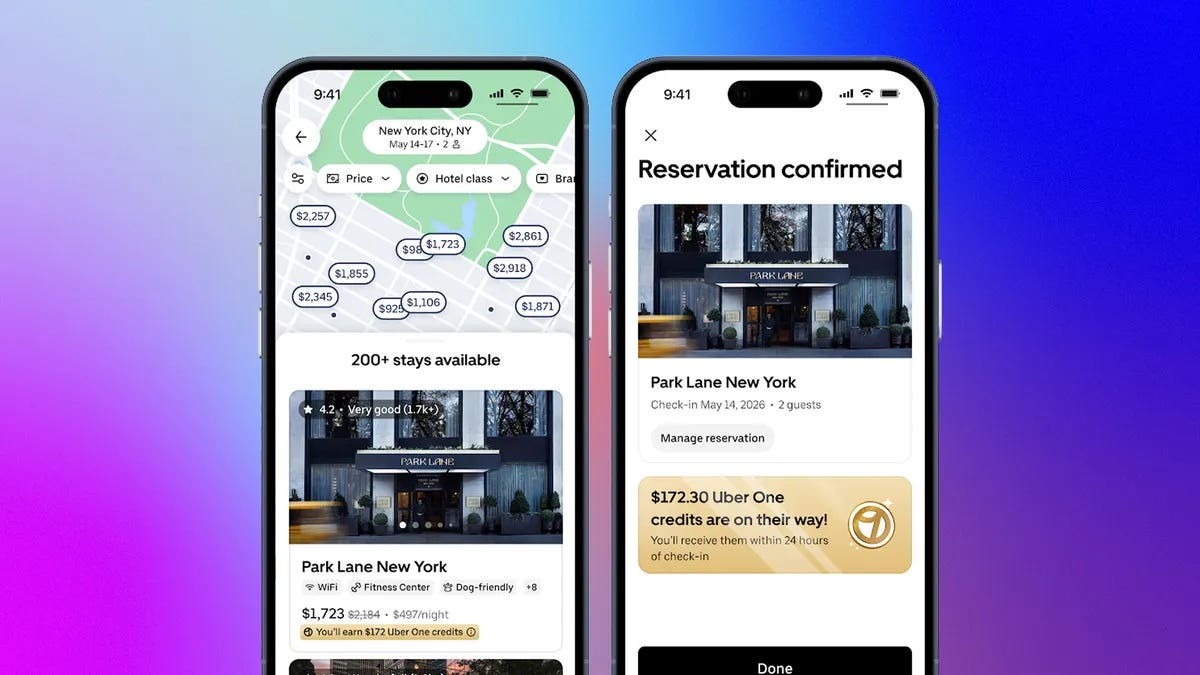
Uber has evolved from a simple transport provider into a comprehensive travel booking platform. The company recently introduced a Hotel Tab inside its main application. This new capability is powered by strategic partnerships with Expedia for the booking infrastructure and Accor for branded hotel inventory. This turns a service that guests already use heavily for local transport into a direct point of sale for accommodation. To drive adoption, Uber One members are being offered 10% back in credits on hotel stays and a minimum 20% discounts at specific properties worldwide.
This development introduces a highly visible new distribution channel for the hospitality sector.
However, it also brings significant risks to your margin. While these technology partnerships provide access to additional demand, they heavily complicate your channel management. You now have to defend your pricing consistency and manage varying commission structures across an even wider landscape.
Review your distribution agreements before the next trading month begins. You must verify exactly how your inventory is syndicated through major partners like Expedia. Ensure your rooms are not appearing on the Uber application at a price that undercuts your own direct rates. You need to protect your rate parity to maintain control of your customer acquisition costs.
🛑 Meta Paid Ads Problems
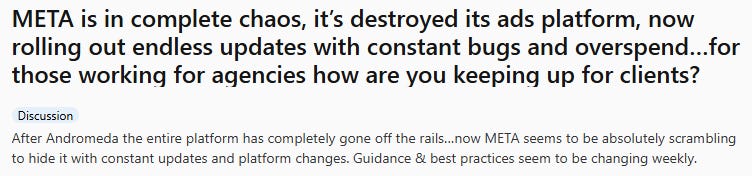
If you rely heavily on Facebook and Instagram ads for direct bookings, you should audit your spend immediately. Marketers report a complete breakdown in Meta ad performance throughout April 2026. Accounts are experiencing massive spikes in cost per thousand impressions. Budgets are either spending too slowly or burning through daily limits in minutes. Many operators are seeing sudden account restrictions without cause. This platform volatility is a direct threat to your paid acquisition pipeline.
We are seeing a severe pattern that media buyers call the three-day death cycle. Campaigns yield a profitable return for the first 72 hours. Then they completely stop converting. You might see high add-to-cart metrics for your room bookings. But these are increasingly fake signals. Advertisers report massive spikes in bot traffic. This junk traffic is concentrated in the over-65 age demographic. You are paying for clicks with zero purchasing intent.
This chaos stems from recent algorithm updates like Andromeda. Meta is rolling out automated AI settings onto ad accounts. Features like Advantage Plus Audience and Auto Image Stretch are turned on by default. These forced updates often interfere with carefully planned targeting strategies. Tracking glitches are also causing severe discrepancies between Meta reports and your actual backend sales.
You must change your creative approach to survive this market. High production value is dead. Guests have developed ad blindness to highly stylised food and resort photography. Data shows that raw and unpolished native creatives outperform polished commercial assets by a factor of two. We call this the ugly ad paradigm. A simple video shot on a phone results in more reservations than a studio-quality shoot.
Consider moving your production budget away from expensive video shoots and invest in local nano-influencers. These smaller creators provide a much better customer acquisition cost. If your campaigns remain unstable, pause your high-spend Meta ads. Diversify your budget to platforms like TikTok or Google Ads until stability returns.

