


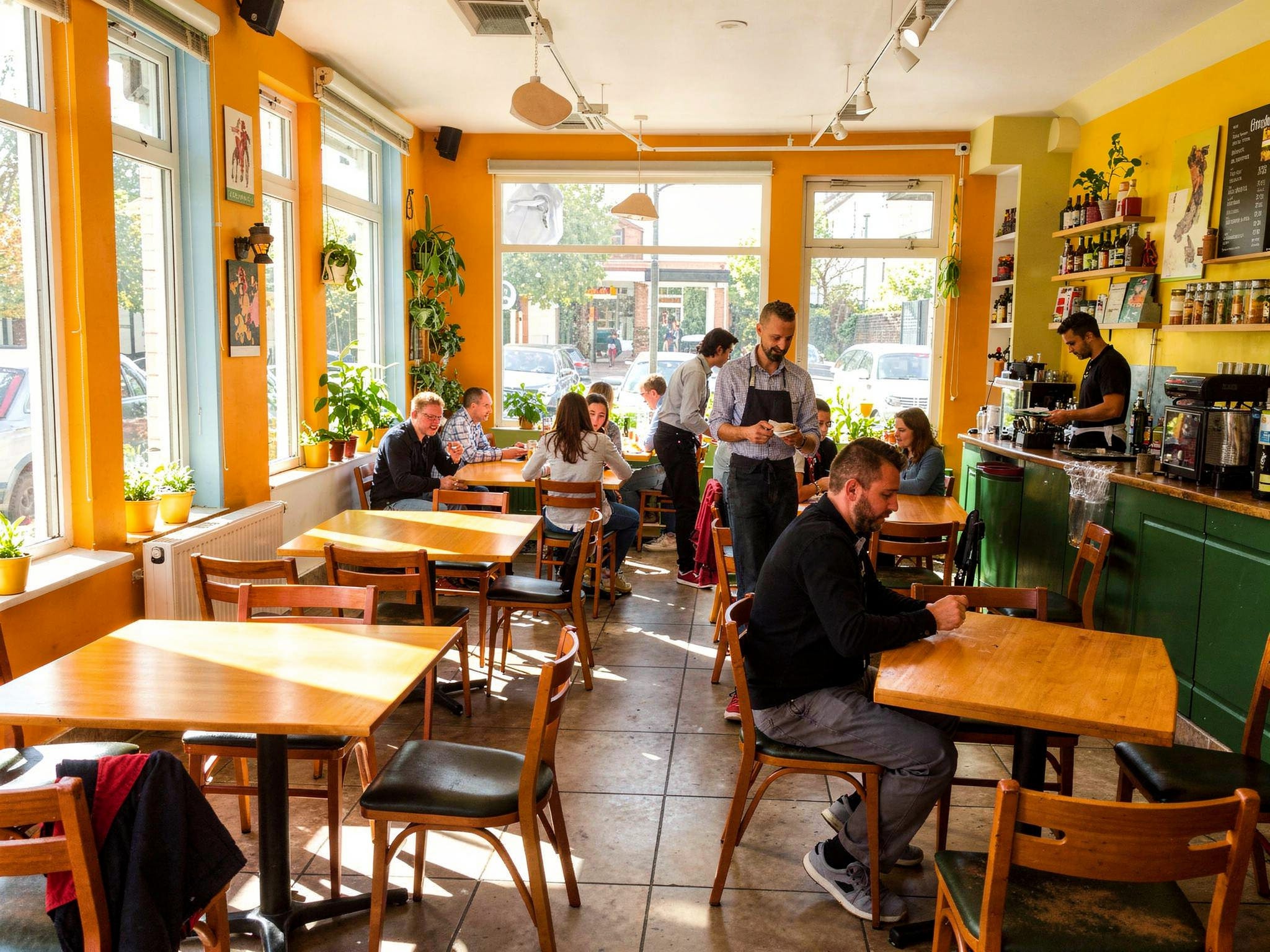
Navigating restaurant marketing has fundamentally changed. With 74% of diners using social media as their primary discovery engine and Google AI Overviews altering search behaviour, traditional strategies no longer cut it.
From the collapse of Instagram aggregator accounts to the rise of creative-driven Meta ads, restaurant operators must adapt.
📄 On the Menu
2026 Social Media Performance
Creative-Driven Meta Ads
The Instagram Aggregator Collapse
Let’s Check In ☕

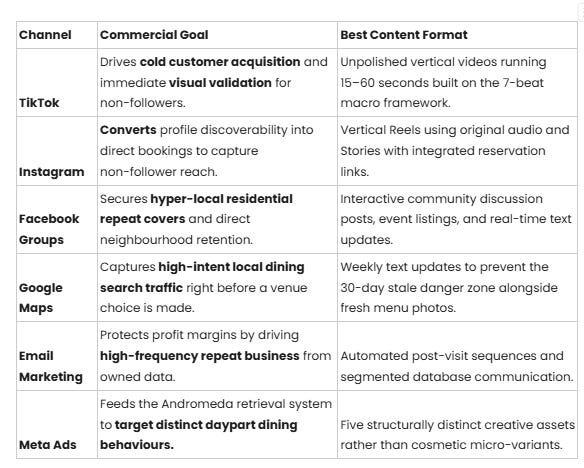
📊 2026 Channel Performance
Social media has been the primary discovery engine for diners for a while now, effectively acting as a restaurant’s new front door. Currently, 74% of consumers use social platforms to choose a dining venue.
TikTok content directly influences dining choices for 61% of consumers. This platform is the key driver of venue choice for 50% of users. It now outperforms Instagram, Facebook, and Yelp for initial guest acquisition. Younger generations depend on visual apps to validate your menu profile.
Restaurants with clear social media strategies report an average 9.9% increase in direct business-to-consumer revenue. Brands with a social-first focus achieve an even higher average revenue increase of 14.1%.
Instagram drives significant volumes of direct bookings. Venues with direct reservation links in Instagram Stories see a 41% lift in confirmed bookings. Performance varies by format on the app. Instagram Reels average a 2.7% engagement rate for hospitality brands. This metric tracks at nearly double the 1.4% engagement rate of static image carousels.
Search patterns are changing alongside social media. Google AI Overviews now appear for 48% of general search queries. AI assistants pull 76% of their restaurant citations from external reviews and social accounts. They rarely use your actual website for these summaries. Therefore, your off-site digital footprint dictates your discovery rate.
Local map discovery captures 93% of guests right before choosing a venue. Finally, email marketing remains your most stable revenue anchor. Direct messages to an owned database protect your profit margins from changing algorithms. Email marketing in the restaurant industry boasts an incredible return on investment (ROI) of approximately $42 for every dollar spent.
Restaurant Marketing Cheat Sheet
Interest targeting is dead, and Meta is throttling unoriginal content.
Go VIP, grab the 30-day content planner to dominate your local feed.
Here’s a template to expense a subscription

🎨 Creative-Driven Meta Ads
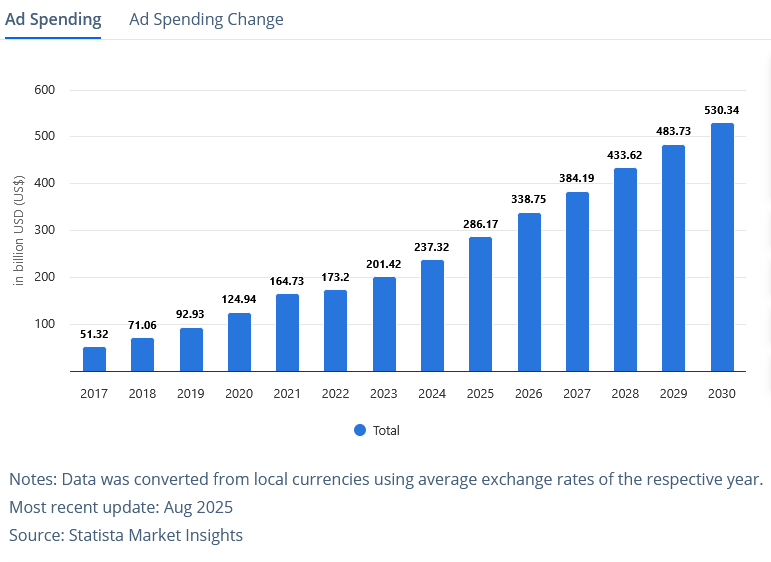
Spending in social media advertising worldwide is projected to reach US$338.75bn in 2026 with an annual growth rate of 11.86%, leading to a projected market volume of US$530.34bn by 2030. It’s anticipated that 82.9% of total ad spending will be generated through mobile by 2030.
As global social ad spend climbs to historic highs, independent operators can no longer afford to waste a single pound of budget on automated delivery systems that punish lazy creative formats.
🎯 Creative is the New Targeting
Over the past few years, detailed interest targeting has been removed due to privacy changes. Meta countered this by adapting their algorithm to interpret signals within the creative to decide who should see it.
For example, if a restaurant runs an ad highlighting a quick, stress-free family dinner, the AI will analyse that context and deliver it to busy parents. If the same restaurant runs an ad focused on a chef’s intricate plating techniques, the AI will automatically route it to culinary enthusiasts.
Because the AI reads the intent and context of the ad, simple cosmetic changes do not influence the algorithm into reaching new audiences.
In the past, a restaurant might have taken one video of a burger and created 30 micro-variants—changing the headline, the background colour, or the call-to-action button—to test against different audiences.
Today, the algorithm is smart enough to group all those cosmetic changes as the exact same concept. You will get marginal differentiation at best, effectively wasting your ad budget.
Meta uses advanced neural networks on the NVIDIA Grace Hopper Superchip to track data interactions. In simple terms, this hardware allows the algorithm to process data much like a human brain. It reads the exact vibe of your dining room or the style of your food instantly. The machine matches your content to a consumer’s mood in real-time. This deployment across Instagram and Facebook applications has achieved +6% recall improvement to the retrieval system, delivering +8% ads quality improvement on selected segments.
To reach new dining audiences, you must provide the AI with structural diversity. You must alter what the ad fundamentally communicates to suit different customer dayparts. Five structurally distinct ads will heavily outperform thirty slightly tweaked versions of the same idea. The algorithm handles the heavy lifting. It matches each distinct concept to the correct local diner automatically.

🛑 What Not To Do - Instagram Aggregator Accounts Collapse
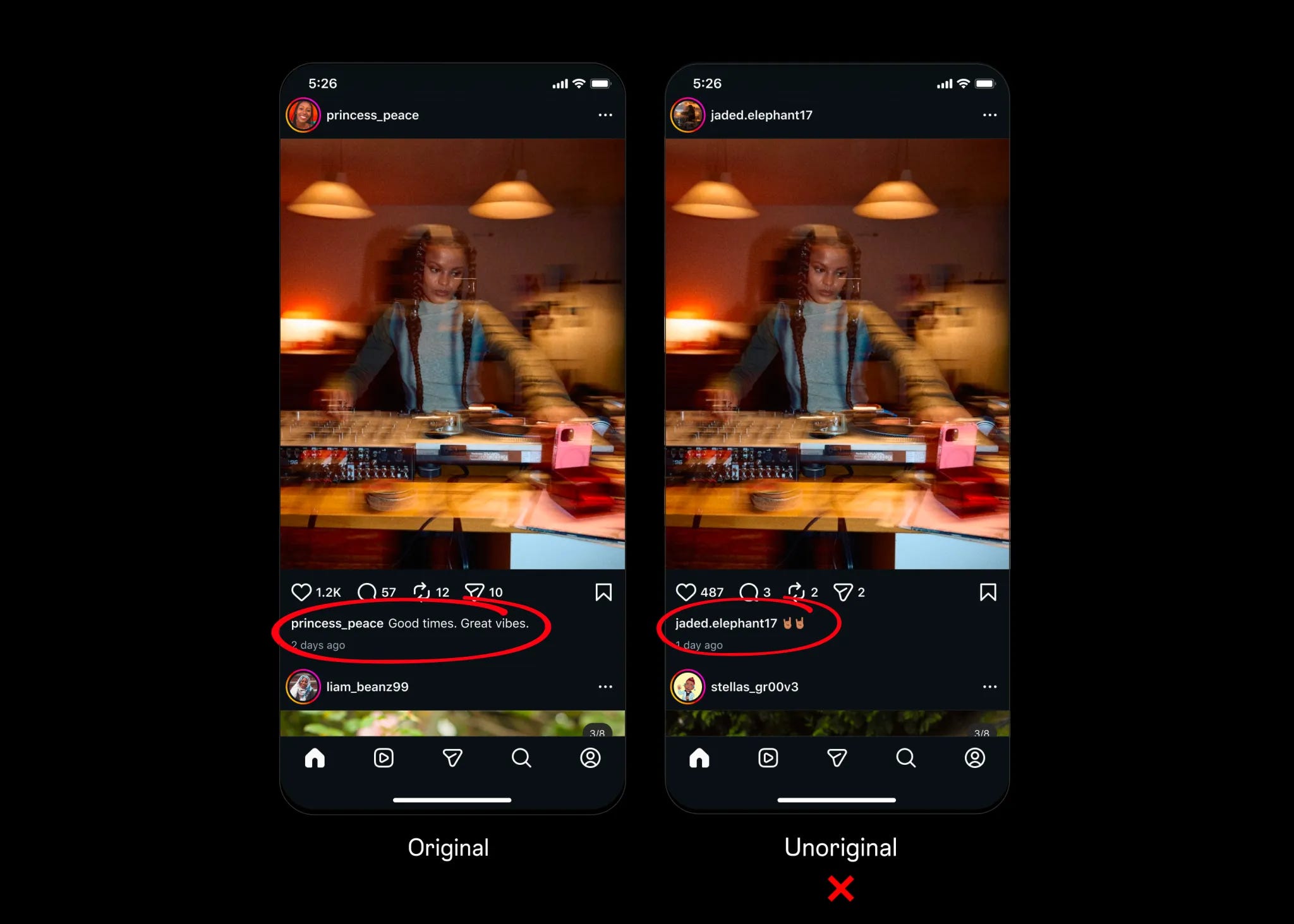
One of the biggest shake-ups this year is the throttling of aggregator accounts, commonly referred to as a theme page. An aggregator is a profile that primarily curates, downloads, and reposts content created by other people, rather than producing its own original material. Examples include city-specific food accounts with large follower bases. Marketers paid these curators for sponsored posts. They provided free meals to secure features on the page feed.
Historically, for many restaurants, getting featured on one of these large aggregator networks meant they could tap into a wide audience and siphon traffic without having to invest the time and money required to shoot their own original video content.
However, within the digital creator community, aggregator networks are highly controversial and are frequently criticised for stealing content, traffic, and views from the original creators who put the actual work into producing the media, and Meta agrees.

Instagram recently rolled out a massive set of updates expanding its anti-aggregator protections. While the platform previously only punished unoriginal Reels, this penalty has officially been extended to include photos and carousels.
If the platform’s AI detects that an account is primarily reposting unoriginal content, that account is completely stripped from the Explore page and suggested feeds. What’s more, users often recognise recycled content and scroll past it; these posts tend to suffer from a high Skip Rate, which signals the algorithm to instantly throttle the account’s reach.
Currently, 49% of all Instagram views come from non-followers who are served content via algorithmic recommendations. Being blocked from the Explore and suggested feeds effectively makes these curator accounts invisible to new audiences.
Protect Your Team From Creative Burnout
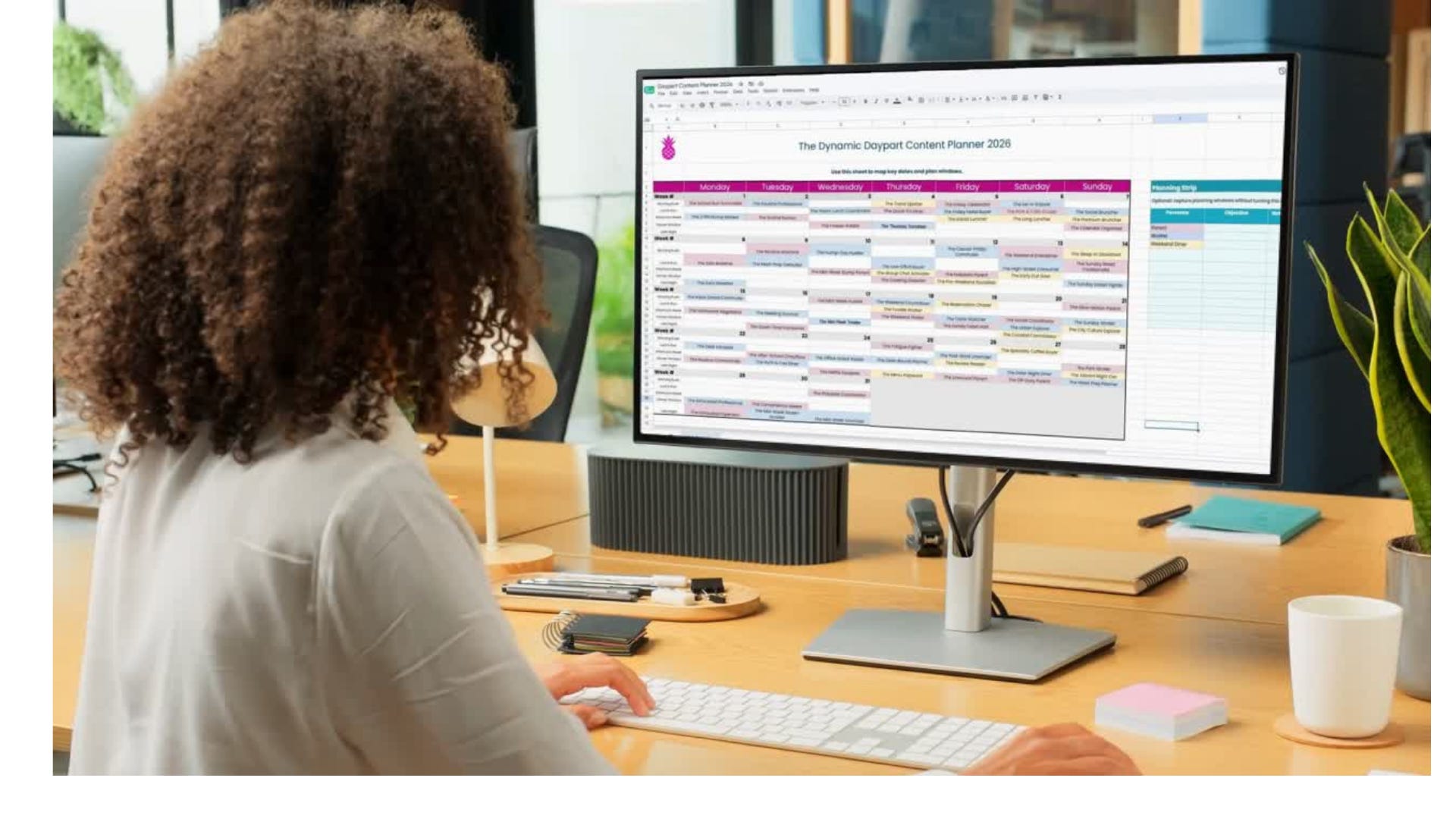
Your front-of-house and kitchen teams are meant to create culinary magic, not suffer under the exhausting, non-stop pressure of a content production studio. Our VIP Daypart Planner treats your customers’ changing roles—from the School Run Survivalist to the Sunday Dread Fighter—as the true heroes of your narrative week. We have pre-mapped these psychological triggers from Breakfast through to Late Night, allowing your team to connect empathetically with local diners
without the operational burnout.

That’s it for this edition. I look forward to serving you all again soon. Got any questions? Drop them in the comments and I’ll get back to you.
All the best
Dawn Gribble MIH MCIM
Hospitality Marketing Insight
Here’s to Your Success 🥂

📚 Sources & Resources
ascendviral., Instagram just killed aggregator accounts, R/SocialMediaMarketing (2026)
fe3lix., I ran 1,378 winning Meta ads through a model I spent too long building. The formula they share is uglier than the industry wants to admit, R/FacebookAds (2026)
Meta Andromeda: Supercharging Advantage+ automation with the next-gen personalized ads retrieval engine, Engineering at Meta (2024)
Restaurant delivery preferences in the U.S. by generation 2025, Statista (2026)
Restaurant email marketing statistics: How emails drive reservations, loyalty, and revenue, Stripo.Email (2026)
Rewarding original creators on Instagram, Instagram for Creators (2026)
Social Media Advertising—Worldwide | Market Forecast, Statista (2026)
Social Media Benchmarks For 2026, Socialinsider (2026)
Social media impact on food choices on holiday UK 2025, Statista (2026)
Social Media Statistics for Restaurants & Hospitality Brands (2026), Joli (2026)
The aggregator collapse is the piece restaurant owners need to take seriously.
Borrowed reach was always risky. Now it is getting riskier. Original photos, real room energy, actual staff, actual food, actual guests. That is what gives the algorithm something useful to read and gives diners something real to trust.
One burger video with thirty tiny tweaks is not a strategy.