


In What’s Actually Working in Restaurant Marketing Right Now (And What’s Not), we covered the latest digital channel performance, creative-driven Meta Ads, and how to respond to the Instagram Aggregator collapse. In this VIP edition, you’ll learn how to plan marketing campaigns by daypart—without the headache, match your creative assets to the shifting moods of real-world consumers, and command Meta’s next-gen algorithmic ad targeting without burning out your team or wasting your mental energy.
📄 On the Menu
Targeting without the Cognitive Headache
30-Day Daypart Marketing Planner
AI Prompt: Daypart Marketing
Let’s Check In ☕

🧠 Targeting without the Cognitive Headache
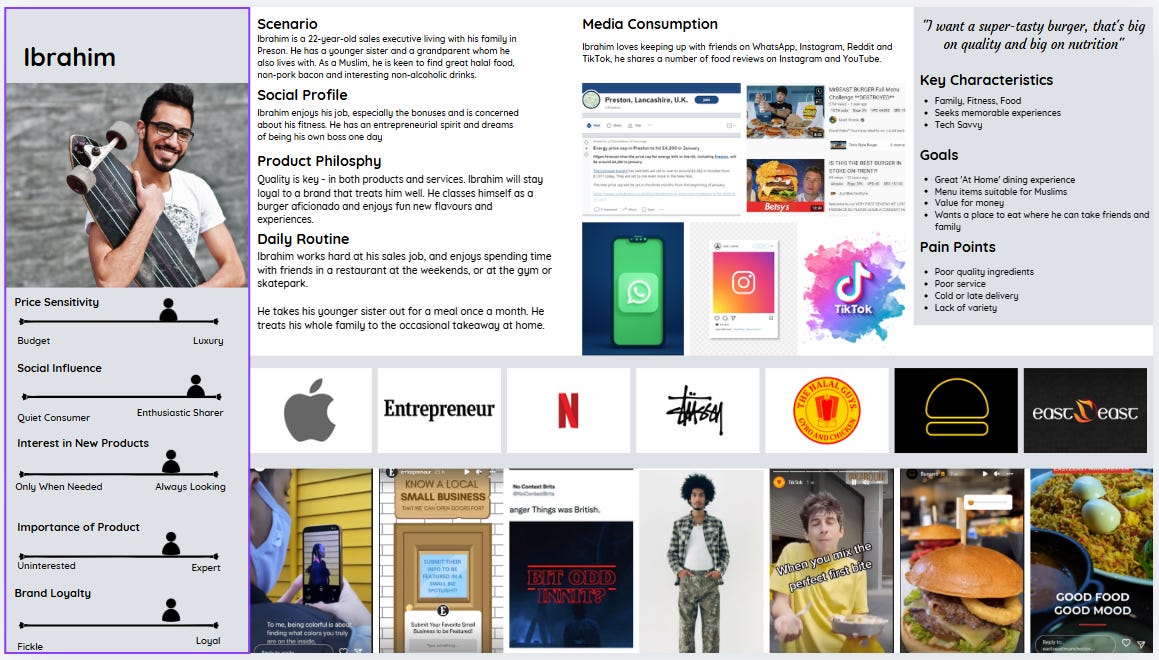
Traditional marketers can spend weeks or even months defining distinct audience personas—such as post-school-run mums or Gen Z weekend groups. These insights were then used in Ad campaigns to narrow the audience by interest targeting.
Here’s a simple example of this
The Busy Parent 24-39: Looks for quick, child-friendly food. They want promotions during the week and fast takeaway or delivery options.
Interests: Parenting, Family & relationships, Early childhood education, Toys.The Office Worker 30-60: Wants fast service, reliable quality, and clear receipts. They look for easy lunch options for themselves or their work teams
Interests: Business, Corporate culture, Professional networking, Finance.The Weekend Diner 40-70: Looks for a good atmosphere and special menus for weekends or dates. They usually book tables in advance and read online reviews.
Interests: Dining out, Fine dining, Gastronomy, Wine, Craft beer.
🛎️ How Ads Were Traditionally Served
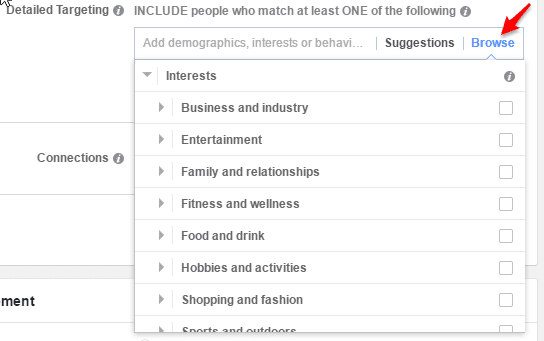
The traditional digital Ad process was straightforward. You uploaded your creatives (Ads) to whichever advertising platform you were using, and then manually selected targeting options to decide who to reach. You used locations, general age ranges, and interest categories to find your audience.
Historically, this hyper-specific targeting allowed venues to be incredibly precise. However, that level of tracking led to widespread global complaints regarding consumer privacy. As a result, platforms like Meta removed a significant portion of interest-based targeting options from their systems entirely. With the old manual targeting data gone, advertising networks had to build a completely new way to match ads to users. This tracking gap is exactly why platforms built next-generation AI retrieval engines.
As ads have evolved, we have moved from One-to-All broadcasting and One-to-Many interest segments and now into One-to-One advertising. Instead of your ad being delivered to a broad list of people who happen to match an interest category, you are now creating ads that speak to individuals personally.
💎 The Reality of Modern Buyers
Traditional ad targeting treated a customer like a static persona. If they are a parent, the system always treats them as a parent. But an individual does not have just one persona. They switch between different personas depending on the time of day, the weather, and their stress levels, for example
08:00 The Rushed Commuter: It is a rainy Monday morning. They are stressed, running late, and looking for a fast caffeine fix. They want speed, short queue times, and easy mobile ordering.
13:00 The Office Worker: It is lunchtime. They need a break from their desk and want a reliable, quick meal with colleagues. With set lunch menus, healthy options, and fast service.
17:00 The Parent: They have finished work and just picked up their child from school. They are tired and do not want to cook dinner. They want value bundles, kid-friendly food, and easy parking or collection.
20:00 The Socialiser: It is Friday evening. The sun is out, the work week is over, and they are meeting friends for drinks and food; and a desire for unique atmosphere, premium menu options, and a good drinks list.
This fluid movement between identities means a single consumer requires entirely different creative hooks depending on the hour they see them. And it is exactly these real-time behavioural changes that Meta’s AI tracks to determine who sees your content.
🛵 How Meta AI Delivers Ads
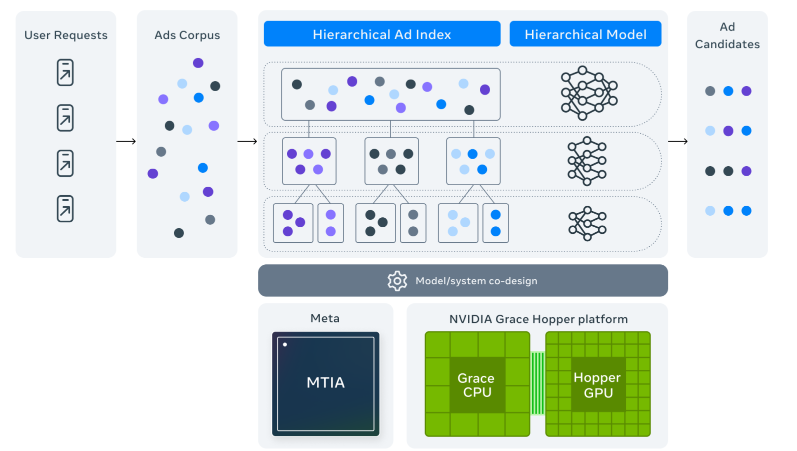
When you launch an ad on Instagram, Facebook, Threads or WhatsApp, Meta’s AI system immediately analyses your creative content. It looks at three main signals to decide who will see your ad:
Visual & Audio Data: The AI reads the images, video frames, text, and voice to understand exactly what your product or brand is about.
Content Similarity: It compares your ad to millions of other successful ads. It looks for similar patterns in colours, lighting, and pacing.
Early Engagement: The AI measures how quickly the very first viewers react to your ad (likes, comments, or watch time) to decide how fast to show it to a wider audience.
What this means is that the algorithm no longer relies on who you tell it to target; instead, the system uses these immediate engagement and visual signals to find your audience for you. Because the machine now handles the distribution based entirely on the creative asset itself, your tactical approach to campaign setup must adapt.
📣 How to Reach Customers Using AI-Powered Ads
To reach new audiences now, brands cannot rely on manual targeting. Instead, you must change the style of your ad content. This means creating ads with structurally diverse concepts. For example, you should:
Change the emotional trigger: Switch between ads focused on humour, urgency, or relaxation.
Target a different persona through the creative: Change the core message of your video or image to naturally attract a completely different customer group.
Deploy a variety of creative styles before going live: Test diverse formats such as direct-to-camera pieces, casual user-generated content, highly polished imagery, and raw imagery while varying your messaging angles. Allow a set testing period for the platform to gather initial data, enabling you to scale up the performing ads while pausing assets that fail to deliver.
By focusing your efforts on producing varied creative assets rather than building complex audience lists, you give the platform the exact material it needs to find your guests. Aligning these diverse assets with the natural rhythm of your customer’s day is exactly why I built the Dynamic Daypart Content Planner.

⏰ The Dynamic Daypart Content Planner
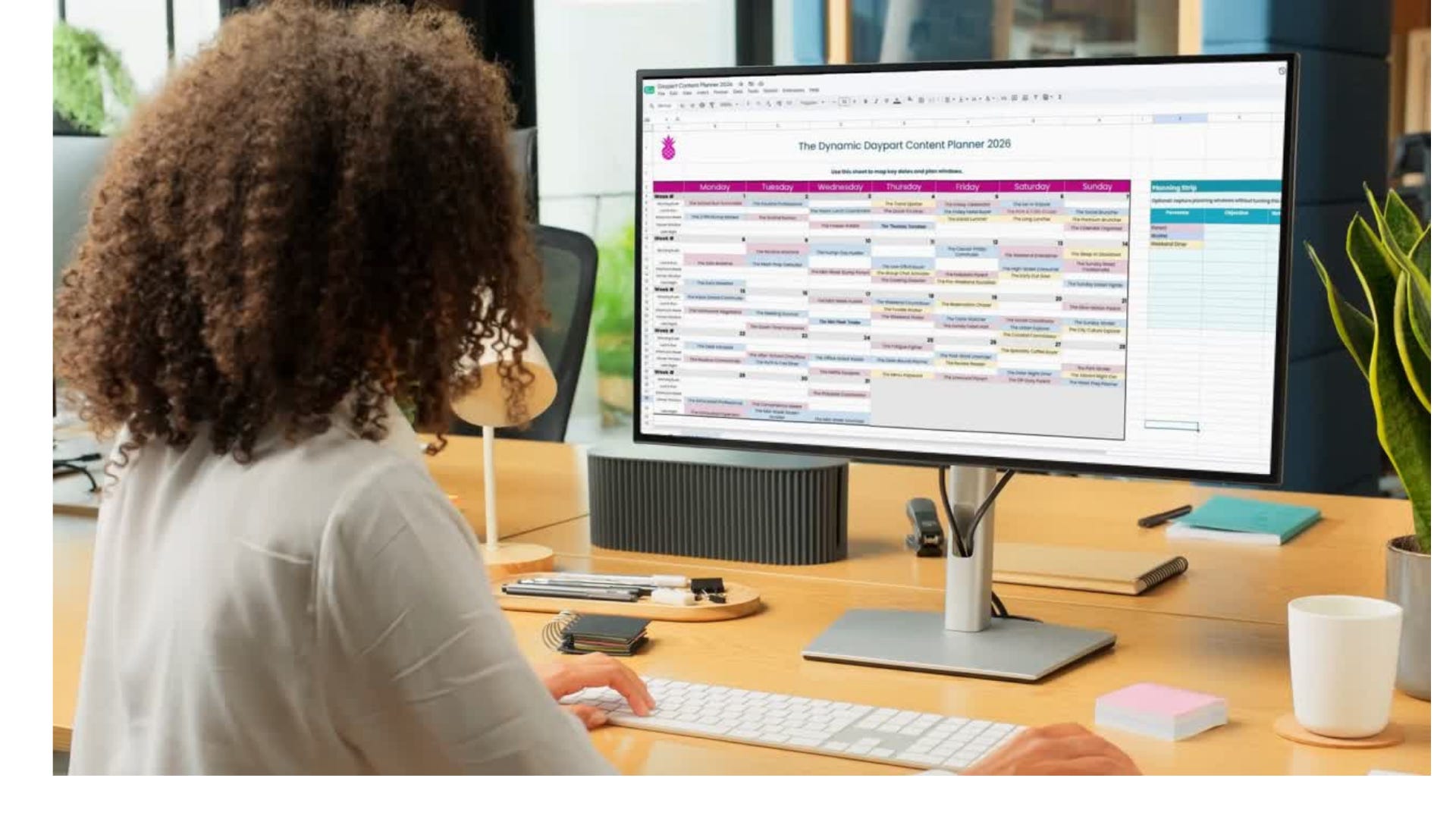
I have put together this Dynamic Daypart Content Planner to show you exactly how personas behave differently across different days and times. You can download this spreadsheet and use it as a practical template to map out your own customers’ week.
Every restaurant has a different audience. For example, if your venue is in a financial district, you might sell much more to city workers than to busy parents. If that is the case, you can simply adjust the grid and remove the parent persona completely.
There is plenty of room on the worksheet for you to edit, change, and adapt the labels based on your own unique venue, location, and busiest hours.
