



Bookings are not being won the way they were six months ago. The venues seeing growth right now are the ones aligning with how guests actually discover, choose, and spend, from TikTok driving demand, plus sound and styles designed for longer, higher-value visits.
At the same time, content without human input is losing visibility on search engines, generic offers are being ignored, and venues that feel transactional are being replaced by those that create a sense of belonging.
This strategic hospitality marketing update for June 2026 shows you exactly where to focus, so you can attract the right guests, increase spend per visit, and build repeat demand rather than relying on one-off bookings.
📄 On the Menu
Platform Updates
Emerging Trends
Food & Beverage Trends
Mood Board - Summer Beverages
Marketing Mistakes to Avoid
Social Media Trends & Swipe File
AI Prompt of the Month - Boost TikTok Conversions
What To Do
What Not To Do
Let’s Check In ☕

Join thousands of hospitality leaders getting the exact strategies to drive bookings, demand, and revenue every week.
Here’s a template to expense a subscription
📢 Platform Updates
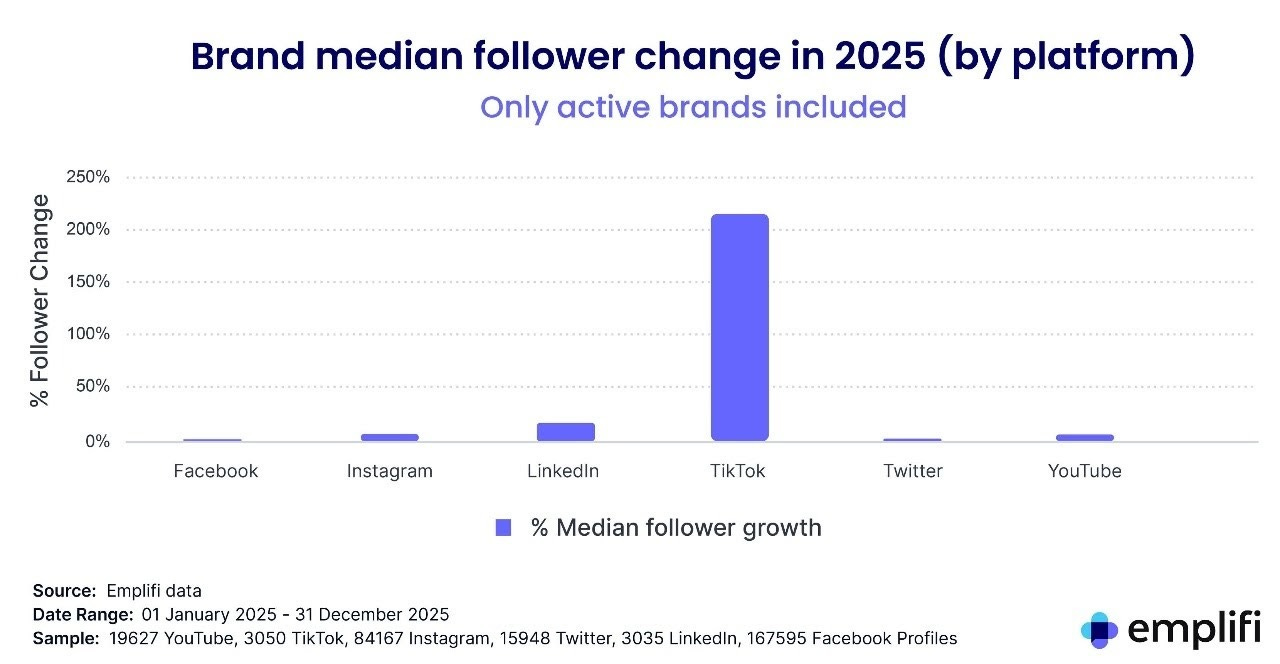
While TikTok is dominating growth with brand follower counts up over 200% year-over-year, Meta is shrinking Sponsored” labels to Ad stickers to help paid content appear more organic. Operators must also note that while Google indexes AI content quickly, rankings often collapse within months without human authority, making high-trust platforms like Snapchat and YouTube on connected TVs essential for reaching guests during their evening relaxation.
TikTok Dominates Growth
The latest Emplifi data shows a clear difference in how platforms are performing. TikTok brand accounts are growing quickly, with follower numbers increasing by more than 200% year over year, while Facebook growth has stayed largely flat.
TikTok’s “For You” feed now drives the vast majority of views—climbing from 50% in early 2024 to over 70% by late 2025. Top-performing advertisers are spending 2 to 3× more than average, treating the platform as a core conversion engine rather than a “test-and-learn” experiment.
For hospitality, this means you should consider TikTok as a core marketing channel, invest more in high-performing content, and focus on campaigns that are built to convert, not just test.
Meta’s Stealth Transparency Move
Meta is currently shrinking its ad transparency labels, moving from the prominent “Sponsored” tag to a significantly smaller “Ad” marker.
This is a deliberate move to reduce “ad blindness.” Smaller labels allow your paid promotions to appear more like organic updates in the feed.
While this can improve click-through rates, it is attracting scrutiny from EU regulators. Ensure your creative remains high-quality; a “stealth” ad that feels like spam once clicked will only damage your brand reputation.

The AI Content Collapse
A 16-month study shows that fully AI-generated content performs well at first, then loses rankings over time as search engines prioritise content with real expertise and human input.
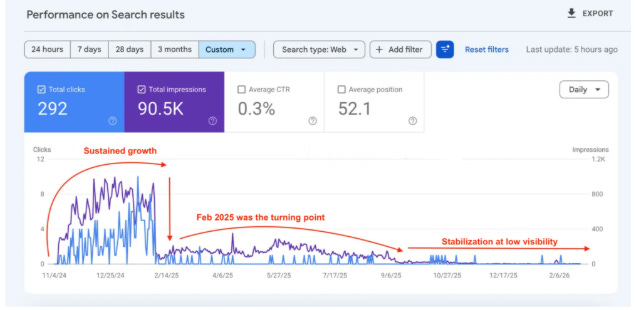
In a study by Search Engine Land, Google indexed 71% of AI pages within 36 days, creating an early spike in impressions. However, by the six-month mark, only 3% of those pages remained in the top 100.
AI content often lacks E-E-A-T (Expertise, Experience, Authoritativeness, and Trustworthiness), which is the foundation of all good content.
Use AI to draft, but human insight is your only protection against long-term search invisibility. Interestingly, fresh AI posts can temporarily lift traffic to your older, human-written pages by signalling site activity to Google.
YouTube: The New Living Room Ad
YouTube is positioning itself as the affordable alternative to traditional TV advertising through its new “Creator Partnerships”. It’s a smart move too, as 83% of Gen Z viewers prefer watching their favourite creators over studio-produced shows.

You can now reach guests on their main home screen while they are relaxed and attentive. Unlike social posts that disappear in hours, 40% of YouTube video views happen more than a month after the upload date. Using Google Gemini, the platform now analyses audience similarity and organic brand mentions to suggest the best creator partners for your venue.
Have you created ads for connected TVs yet?
Snapchat’s Travel Influence
Snapchat is emerging as a high-intent tool for travel coordination, especially with Gen Z.
Research indicates that 61% of Snapchatters trust travel information found on social platforms, which is 1.6 times higher than non-users. Users actively rely on the Chat tab to organise vacations, with 71% using it to get recommendations and 64% using it to coordinate holiday travel. This leads to tangible results: 66% of Snapchatters have added a destination to their wishlist after seeing it in the app.

To succeed on Snapchat, you should use immersive AR Lenses to allow users to visualise themselves at your destination, which directly increases intent to book. Travellers share their experiences 1.6 times more on Snapchat than on other platforms, making it a powerhouse for organic peer-to-peer influence.
Because this audience values authenticity from friends and creators, relatable storytelling is far more effective than polished corporate messaging for moving a user from discovery to booking.


Get the June 2026 Strategic Planner with VIP Membership
